
Coalition on Digital Impact releases its inaugural State of Digital Access report examining linguistic representation across the global digital ecosystem
WASHINGTON, DC – October 6, 2026 – The Coalition on Digital Impact (CODI) today released Global Web: The State of Digital Access, 2026, a first-of-its-kind baseline assessment examining how well the world’s 7,000+ languages are represented across the digital ecosystem and identifying critical gaps that continue to prevent language communities from fully participating online.
The report release falls during the National Digital Inclusion Alliance’s Digital Inclusion Week (October 4–10), an annual nationwide event highlighting efforts to advance digital equity. CODI’s findings broaden that conversation, demonstrating that meaningful digital representation extends beyond access to technology and the Internet. It hinges on whether people can navigate the digital world in the languages they know best.
Drawing on a survey of last-mile organizations serving underserved language communities worldwide, alongside a review of major digital development initiatives, the report identifies critical gaps between the supply of and demand for multilingual digital resources. Its findings underscore the growing urgency of addressing these gaps as artificial intelligence reshapes how people access information, services, and opportunities online.
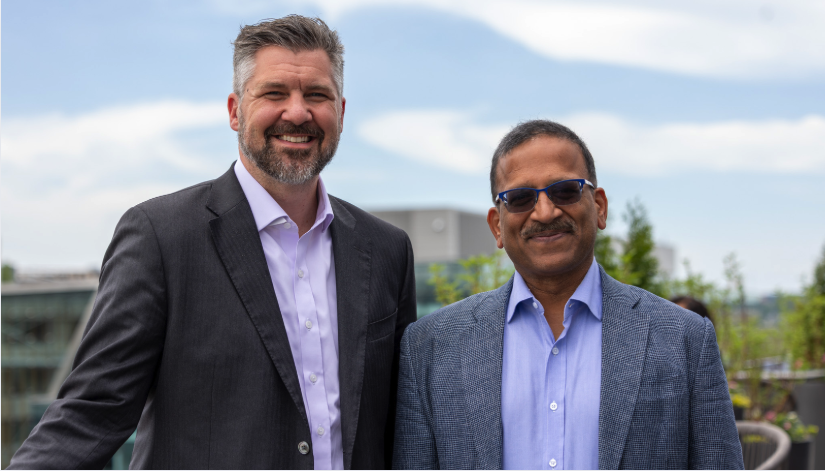
"Too often, digital access is measured by just one metric: broadband access, and linguistic barriers people encounter remain invisible,” said Ram Mohan, CODI’s Founder. "This report was inspired by the experiences of last-mile organizations working every day with communities from Turtle Island and Inuit Nunangat to rural India, East Africa, and beyond. What we heard was remarkably consistent: communities continue to face significant obstacles to accessing information, services, and opportunities online in the languages they know best. By listening to those closest to the challenge, we've established a baseline for understanding where language access is succeeding, where it’s failing, and what it will take to build an Internet that truly works for everyone."
Key findings include:
The following can be attributed to Alice Castillejo, Director of Influence and Language Justice at CLEAR Global, one of the organizations that participated in CODI’s global digital access survey:
“Many people assume language barriers online are a problem of the past, but that is far from reality for the communities we work with every day. Too many people are still excluded from digital tools and services because their languages are not adequately supported. This report provides important evidence of those gaps and helps build the case for greater investment in the language resources needed to create a more inclusive digital future.”
The report outlines a roadmap for future action, including:
CODI intends for the report to serve as a shared baseline for governments, funders, technology companies, civil society organizations, and researchers working to advance digital access and linguistic representation worldwide.
View the full report and explore the infographic to learn more about the project and its findings.
About CODI
The Coalition on Digital Impact (CODI) is a global alliance working to ensure that every person can navigate the Internet in their own language. Through education, advocacy, and awareness, CODI promotes linguistic and cultural participation in online spaces, digital literacy empowerment, and Universal Access to digital technologies. For more information about CODI or to join the coalition, visit codi.global.
Media Contact:
Coalition on Digital Impact
Carrie Hutcheson, Glen Echo Group

%20(1).png)


.png)

.png)




.png)
.png)
.png)
.png)

.png)
.png)

.png)


.png)
