
During the first week of February, organizations and individuals working to advance digital connectivity descended on Chicago, Illinois, for Net Inclusion 2026, the National Digital Inclusion Alliance (NDIA)’s annual conference. The event brought together hundreds of advocates, academics, internet service providers, nonprofits and policymakers to share strategies and discuss the policies shaping digital access. We were proud to see several members of the Coalition on Digital Impact (CODI) actively contributing to timely discussions on everything from rural and Tribal outreach to digital health.
In case you missed it, catch up now with these CODI member spotlights:
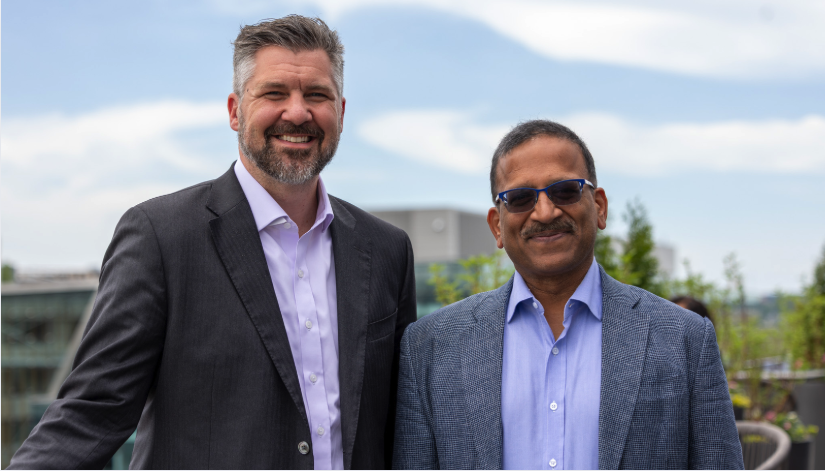
Public Knowledge had a large presence at the conference, with Broadband Policy Director Alisa Valentin speaking on a panel about debates around Universal Service Fund (USF) reform as advocates work toward a federal broadband benefit, and President and CEO Chris Lewis sitting on a panel titled, “The Telecom Act of 1996 at 30: What the Digital Inclusion Community Needs to Know.” He considered how the landmark legislation has evolved in 30 years, the current threats to achieving universal broadband access, and the opportunities for digital inclusion practitioners to help shape its future.
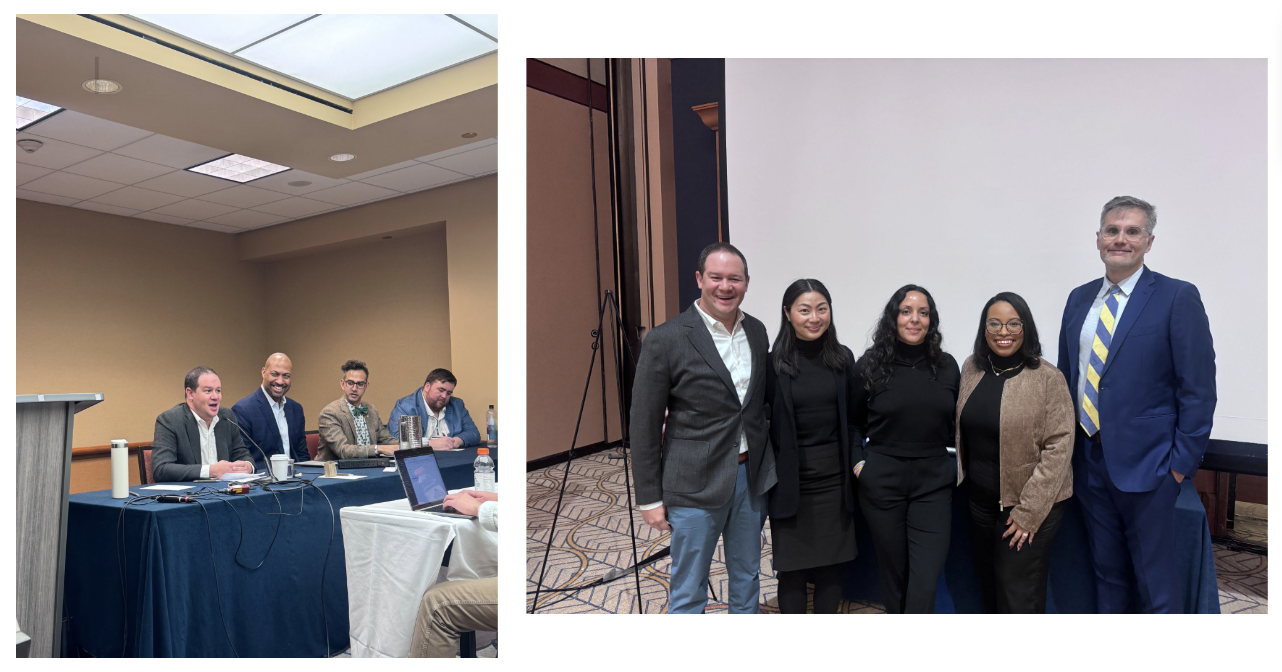
In addition to those insightful sessions, they also hosted a closed-door session for their Connectivity Policy Corps, a nationwide program that Public Knowledge recently launched in partnership with the National Digital Inclusion Alliance to advance digital inclusion and broadband policies that improve America’s digital future.

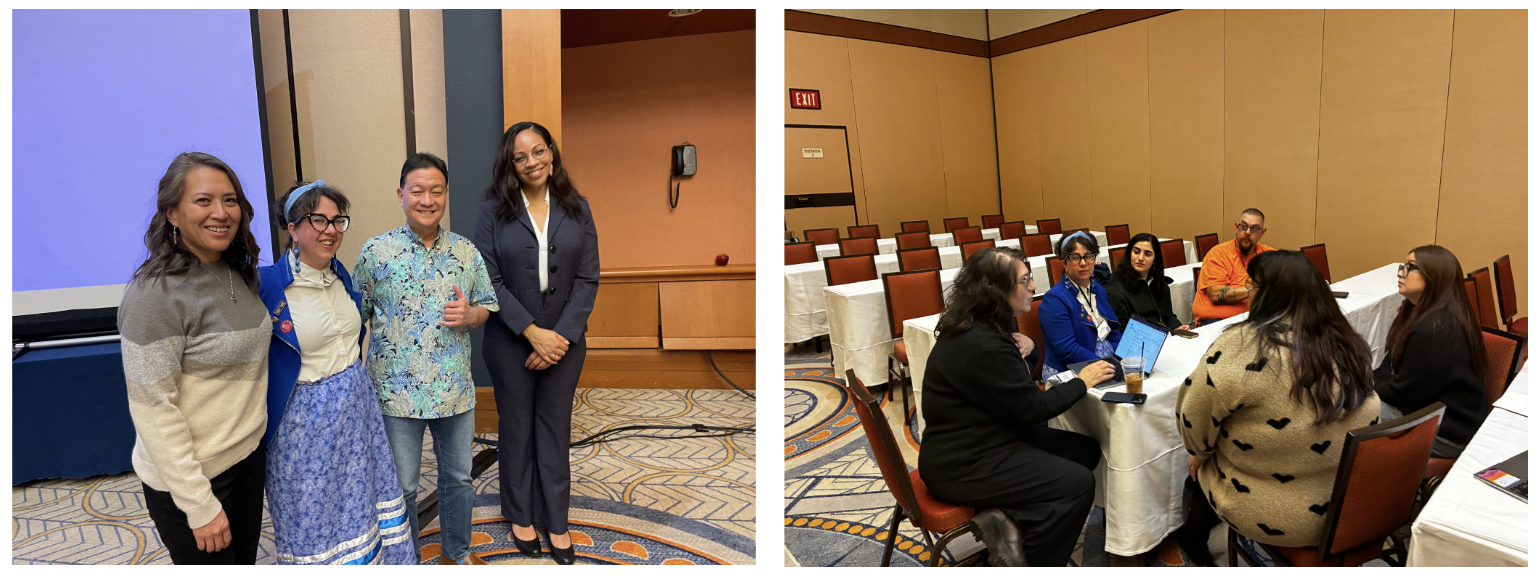
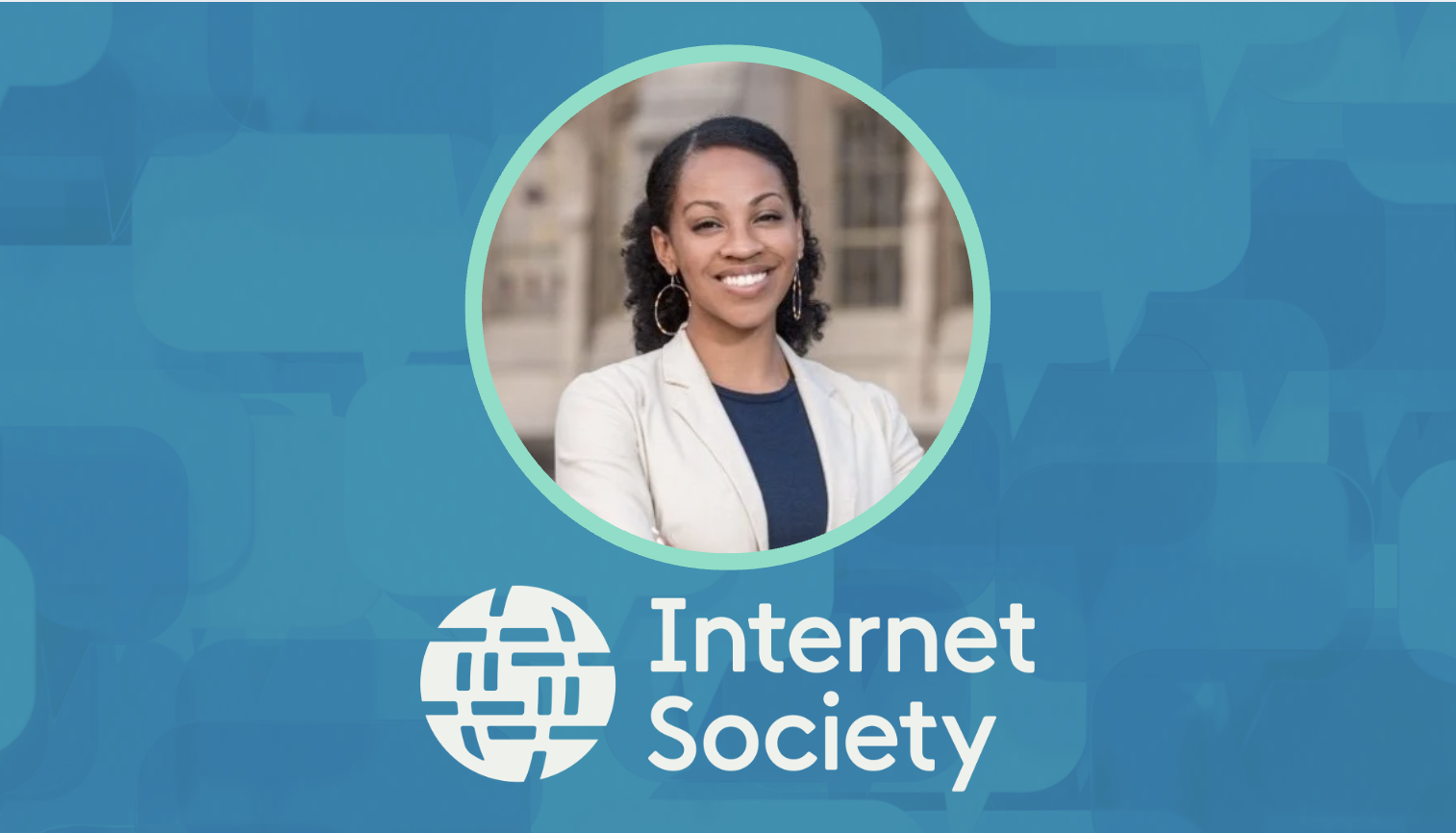
Sharayah Lane, a Senior Policy Advisor on Indigenous Community Connectivity at the Internet Society, led a workshop highlighting the organization’s work on Community-Centered Connectivity in Tribal communities. The organization defines Community-Centered Connectivity as connectivity solutions that “are not imposed from outside, but instead designed with direct involvement from the people who will use and maintain them.” Attendees discussed existing barriers to access, and how we can work to ensure that the most marginalized communities―particularly displaced populations, Indigenous peoples and women―can take a more active role in creating their digital destinies.
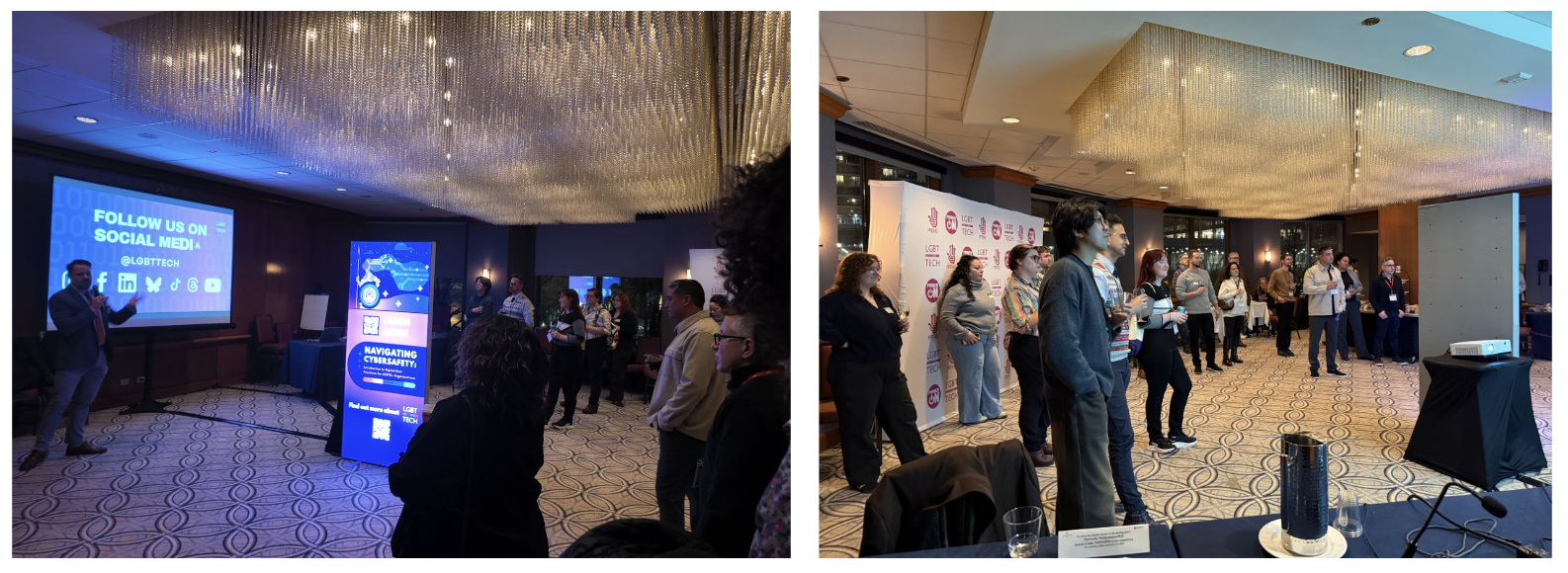
LGBT Tech hosted a networking reception for conference attendees to provide a space for LGBTQ+ folks and allies working in digital equity to share their experiences and build community. Attendees were able to share recent learnings, spark new ideas for collaboration, and continue the important conversations around digital inclusion that were inspired by Net Inclusion programming.
As the conversations around digital access continue to evolve, ensuring that language is not a barrier to participation remains essential. The presence of CODI members at events like Net Inclusion 2026 reflects a shared commitment to practical, community-driven solutions that expand access and opportunity for everyone. We look forward to building on the connections and ideas sparked at the conference in the months ahead, so stay tuned!

%20(1).png)


.png)

.png)




.png)
.png)
.png)
.png)

.png)
.png)

.png)


.png)
